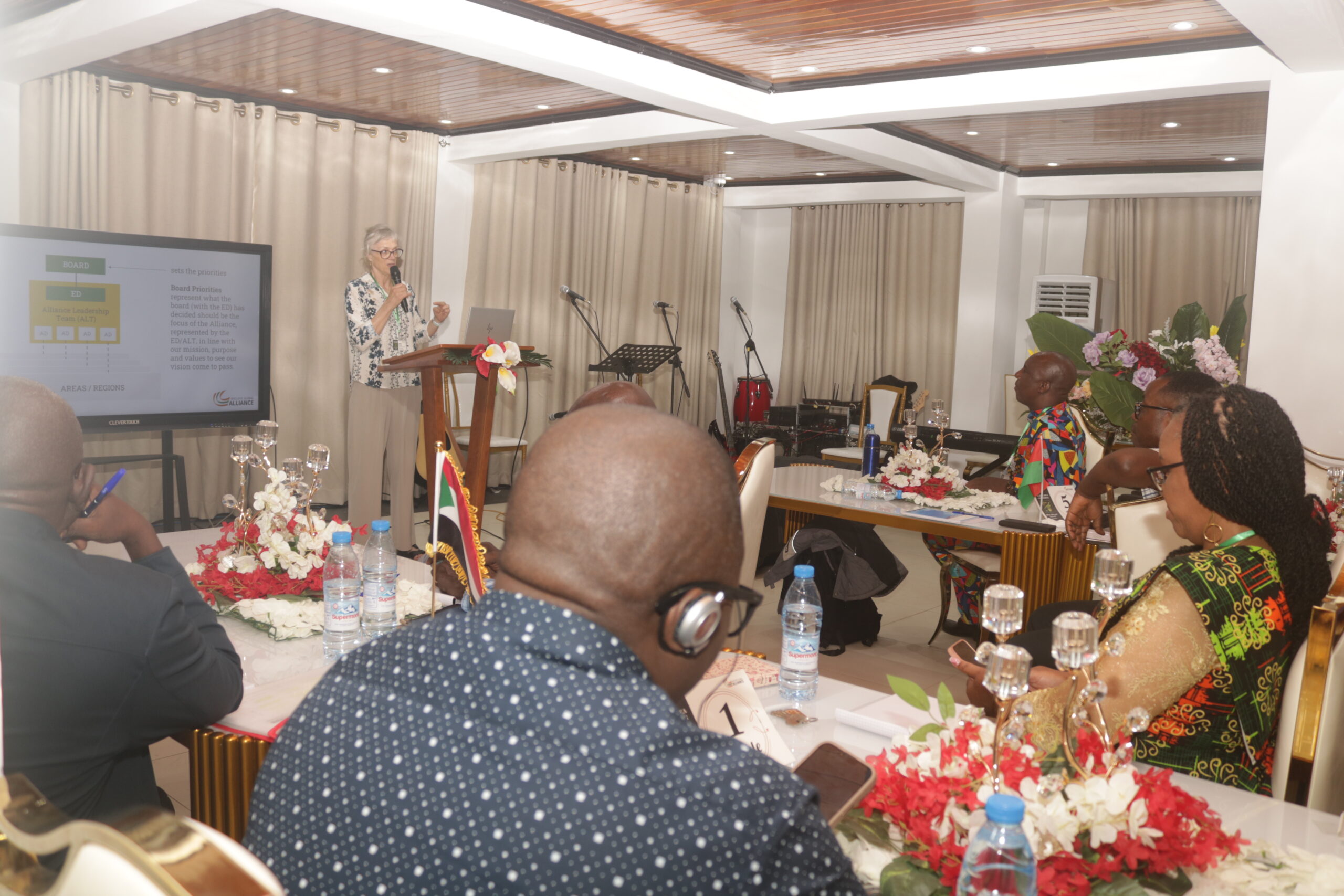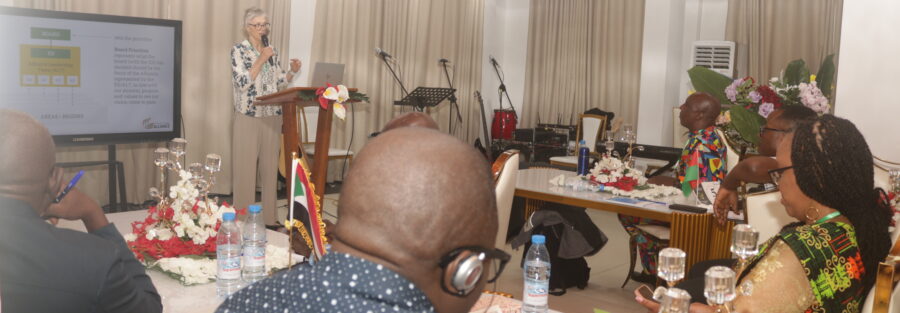
Yaoundé, Cameroon — Speaking to delegates at the Wycliffe Global Alliance Africa Area Gathering on June 16, 2026, Interim Executive Director Agnes Lid anchored the future of the Global Bible translation movement in shared vision, strategic collaboration, and local ownership.
Lid began by grounding the assembly in the foundational purpose, vision, and mission of the Alliance, before steering the conversation toward the future. She explicitly outlined the Wycliffe Global Alliance’s three critical priorities moving forward:
- Bible Translation as a Ministry of the Church: Influence Bible translation movement and advocate for translation, access, and use.
- Alliance Organisations: Contribute to the development and wellbeing of Alliance Organisations so they can participate and collaborate to their full potential.
- Wycliffe Bible Translators International, Inc: Safeguard the WBTI, Inc., and fulfil legal obligations, ie, ensure that the Alliance operates within good governance principles and is sustainably resourced.
Lid dynamically underscored that the Alliance is fundamentally a voluntary coming together of independent organisations. It provides a rich, global community, but holds no top-down authority. “What keeps us together is not transactions,” Lid stated, “but the shared vision.”
Turning the floor over to the African leadership, Lid concluded her address with a call to deep reflection, challenging delegates to discuss the evolving landscape of the continent and the world. She left the Africa Area organisations with four pivotal questions to guide their strategic sessions:
- What is the value/benefit of being part of the Wycliffe Global Alliance community for your organization?
- If you invited a new organization to join the Alliance, what benefits of belonging to the Alliance would you emphasize?
- What role could the Alliance play in the future of Bible translation in Africa? What new trends and shifts do you see coming?
- How can the Alliance leadership help facilitate your collaboration?
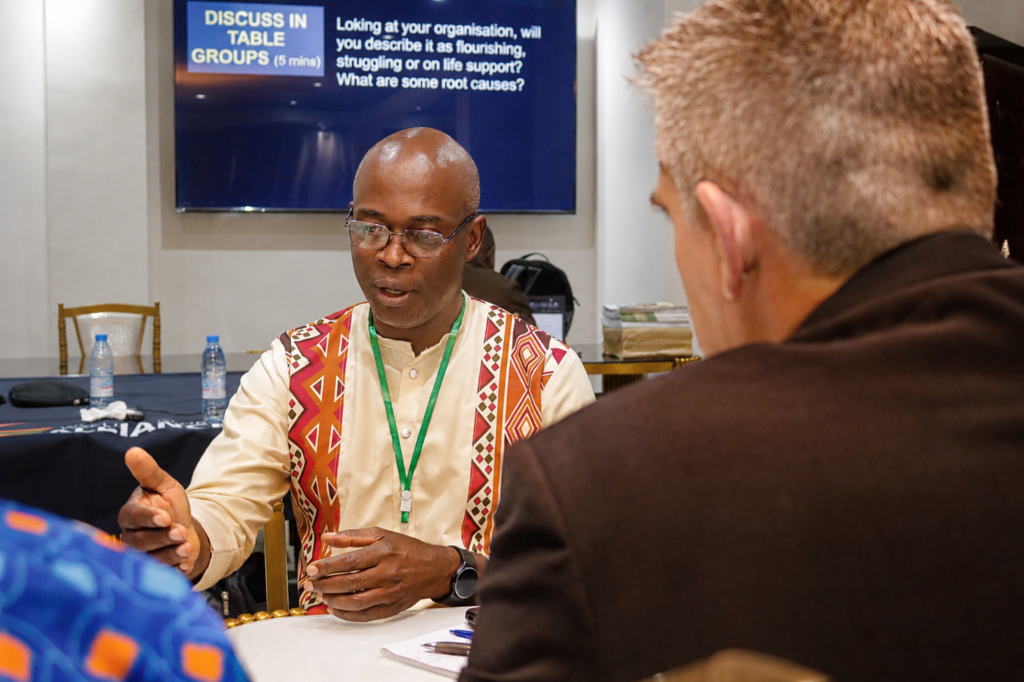
Following Lid’s address, vibrant table discussions erupted across the hall as African leaders processed the challenges. The collective feedback underscored a deep desire for mutual mentorship and structural resilience across the continent. Delegates highlighted the Alliance’s vital role in facilitating capacity building, policy development, and the sharing of best practices. Key recommendations emerged around cultivating diverse funding streams, establishing a dedicated Africa Area Newsletter, and aggressively training younger leaders through hands-on opportunities to serve. Crucially, leaders expressed that the truest value of the community lies in solidarity—actively telling each other’s success stories and stepping in to help organizations in difficulty navigate through their toughest seasons.
The presentation set a profound tone for the remainder of the gathering, shifting the focus toward local ownership and a unified global vision.
Story and Photos:
Isaac Forchie